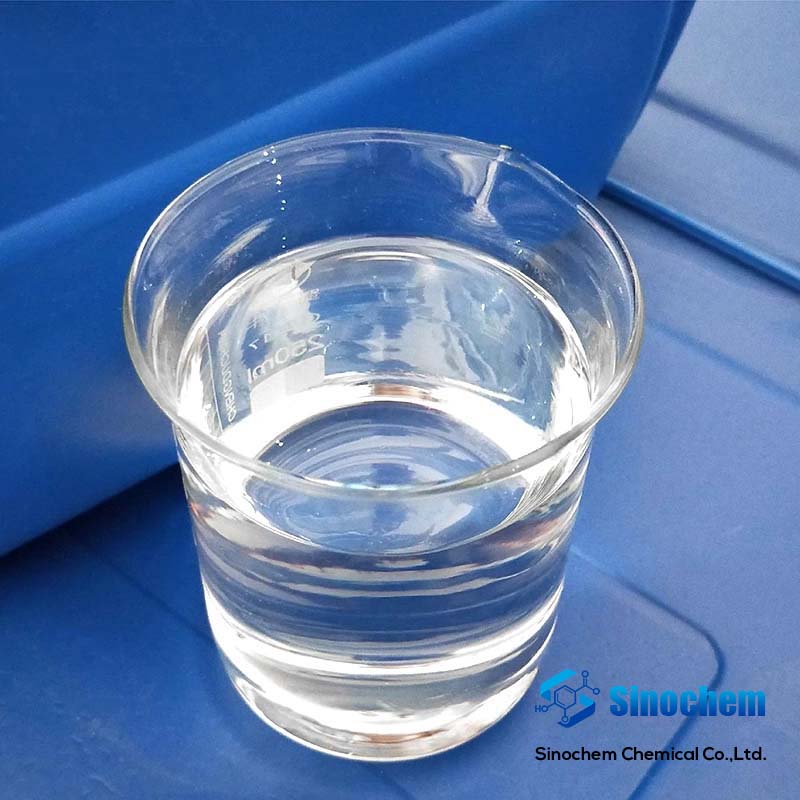
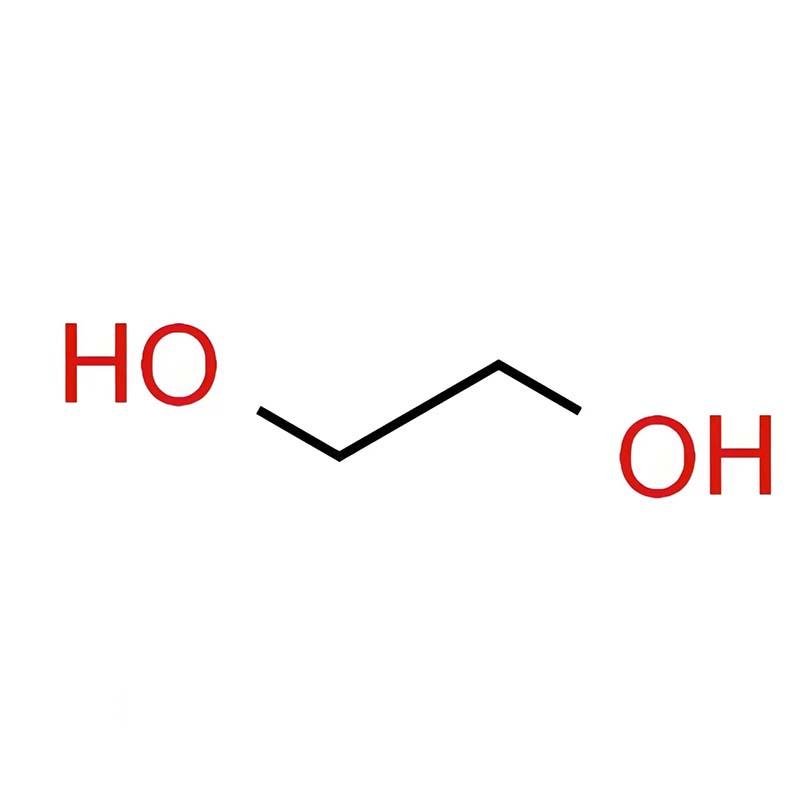
Ethylene glycol CAS:107-21-1
High-Performance Antifreeze Agent: Featuring a low melting point of -13°C and a high boiling point of 198°C, this chemical provides reliable protection against freezing and overheating in engine systems.
Key Raw Material for PET Production: It serves as an essential feedstock in the manufacturing of polyester fibers, polymers, and synthetic resins.
Versatile Industrial Solvent & Humectant: This product acts as a cost-effective alternative to glycerin, functioning as a solvent in pharmaceutical formulations and a moisture-retaining agent in leather processing.
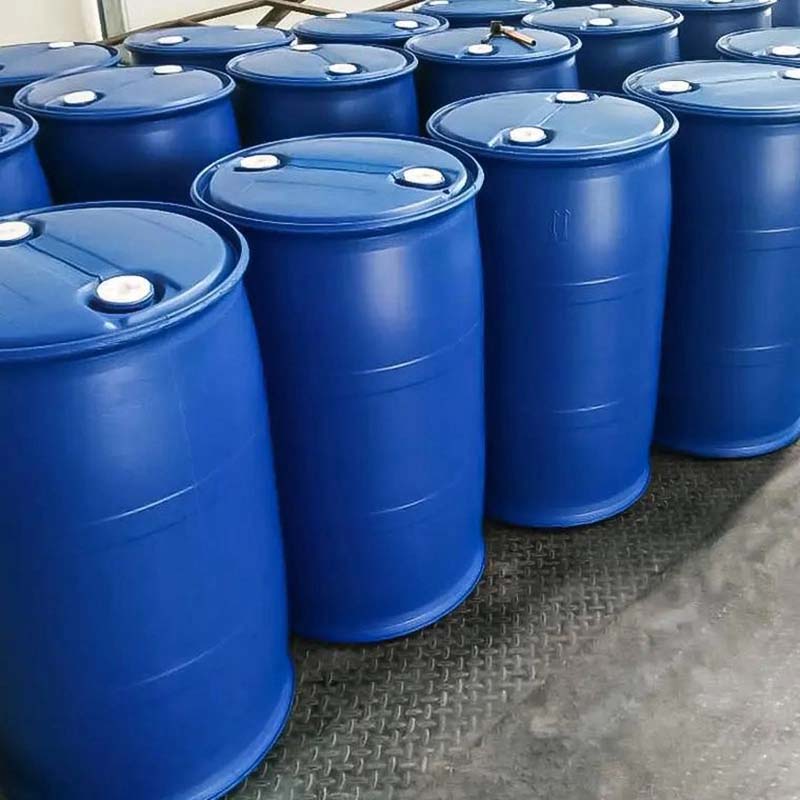
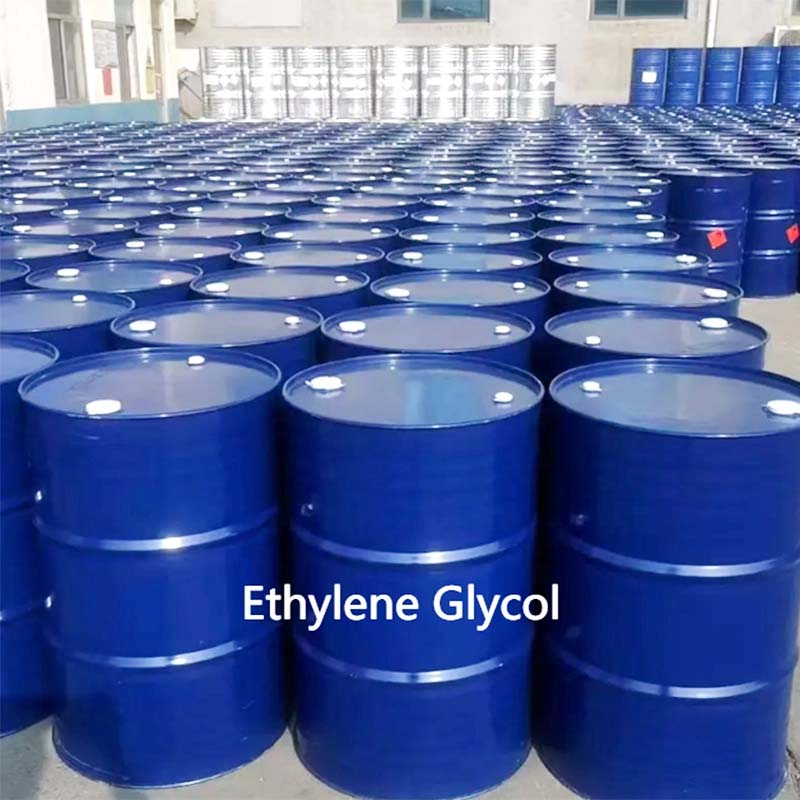
Safe & Cost-Efficient Bulk Handling: A water-miscible liquid, it maintains stability under refrigerated conditions (2–8°C). It supports economical large-scale transportation, with a minimum order quantity of one full container load.
Ethylene glycol is mainly used as an antifreeze component in vehicle engine cooling circuits, and also acts as a key intermediate in producing polyethylene terephthalate (PET), which is widely used to make polyester fibers and plastic products. Additionally, it is involved in the manufacturing of synthetic resins, solvents, lubricants, surfactants, softeners, moisturizing agents, and explosive materials. In industrial applications, it is commonly employed as an economical substitute for glycerin, functioning as a humectant in leather processing and a solvent in pharmaceutical production.
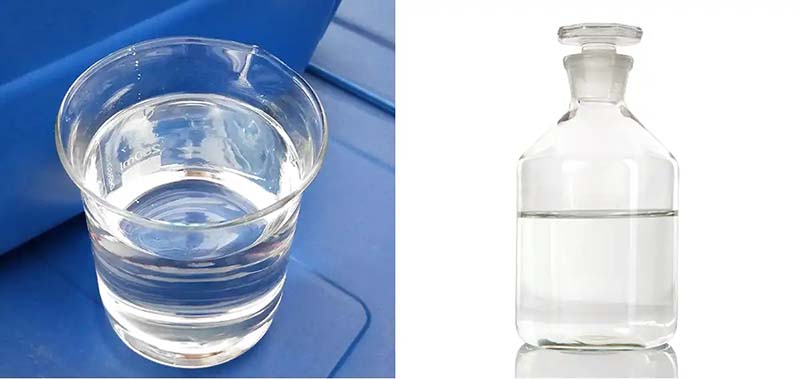
Application of Ethylene glycol
Glycol is mainly used as the antifreeze agent for preparation of the automobile cooling systems and the raw material for the production of polyethylene terephthalate (the raw material of polyester fibers and plastics material). It can also be used for the production of synthetic resins, solvents, lubricants, surfactants, emollients, moisturizers, explosives and so on. Glycol can often used as alternative of glycerol and can often be used as hydration agent and solvent in the tanning industry and pharmaceutical industry. Glycol has a strong dissolving capability but it is easily to be oxidized to toxic metabolic oxalic acid and therefore can’t be widely used as a solvent. The ethylene glycol can be supplemented to the hydraulic fluid and can be used for preventing the erosion of oil-based hydraulic fluid on the rubber of the system; the water-based hydraulic fluid with ethylene glycol as a main component is an inflammable hydraumatic fluid and can be applied to the molding machine in aircraft, automobiles and high-temperature operation. There are many important derivatives of ethylene glycol. Low molecular weight polyethylene glycol (mono-uret ethylene glycol, bi-uret ethylene glycol, tri-uret ethylene glycol or respectively called as diethylene glycol, triethylene glycol, tetraethylene glycol) is actually the byproduct during the hydration of ethylene oxide B for preparation of ethylene glycol.
Product Parameter
| Melting point | -13 °C (lit.) |
| Boiling point | 195-198 °C |
| density | 1.113 g/mL at 25 °C (lit.) |
| vapor density | 2.1 (vs air) |
| vapor pressure | 0.08 mm Hg ( 20 °C) |
| refractive index | n20/D 1.431(lit.) |
| Fp | 230 °F |
| storage temp. | 2-8°C |
| solubility | water: miscible |
| form | Viscous Liquid |
| pka | 14.22(at 25℃) |
| color | blue |
| Relative polarity | 0.79 |
| PH | 6-7.5 (100g/l, H2O, 20℃) |
| Odor | Odorless |
| explosive limit | 3.2%(V) |
| Water Solubility | miscible |
| FreezingPoint | -11.5℃ |
| Sensitive | Hygroscopic |
| λmax | λ: 260 nm Amax: ≤0.03 |
| λ: 280 nm Amax: ≤0.01 | |
| Merck | 143,798 |
| BRN | 505945 |
| Exposure limits | Ceiling limit in air for vapor and mist 50 ppm (~125 mg/m3) (ACGIH); TWA 10 mg/m3 (particulates) (MSHA). |
| Dielectric constant | 37.0(20℃) |
| LogP | -1.36 at 25℃ |
| Surface tension | 47.7mN/m at 20°C |
| CAS DataBase Reference | 107-21-1(CAS DataBase Reference) |
| NIST Chemistry Reference | 1,2-Ethanediol(107-21-1) |
| EPA Substance Registry System | Ethylene glycol (107-21-1) |
Safety Information
| Hazard Codes | Xn |
| Risk Statements | 22-36-41 |
| Safety Statements | 26-39-36/37/39 |
| WGK Germany | 3 |
| RTECS | KW2975000 |
| Autoignition Temperature | 752 °F |
| TSCA | Yes |
| HS Code | 29053100 |
| Hazardous Substances Data | 107-21-1(Hazardous Substances Data) |
| Toxicity | LD50 in rats, guinea pigs (g/kg): 8.54, 6.61 orally (Smyth); in mice (ml/kg): 13.79 orally (Bornmann) |