Aluminum oxide CAS:1344-28-1
Thermal Stability and Properties:With a melting point of 2040°C and a boiling point of 2980°C, alumina has outstanding high-temperature resistance, making it widely applicable in high-heat scenarios such as crucible production and abrasive making.
Mechanical Hardness and Crystal Features:Alumina has a Mohs hardness of 8.8, placing it among the hardest engineering materials, which supports its use in precision cutting tools and the production of artificial gemstones.Wide Industrial Uses:Alumina plays a key role in bearing assemblies, high-speed mechanical parts, and corundum crucibles that can endure operating temperatures up to 1800°C in chemical production.
Chemical Stability and Safety Notes:This material is chemically stable and insoluble in water. However, long-term inhalation of its dust may damage the respiratory system, so respiratory protection must be used during operation.
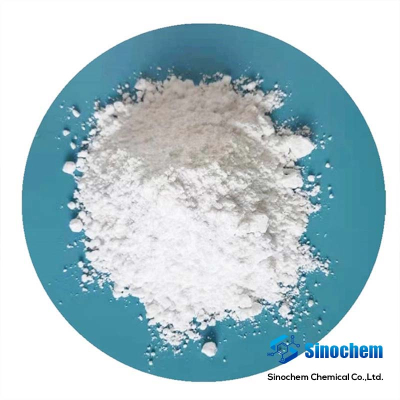
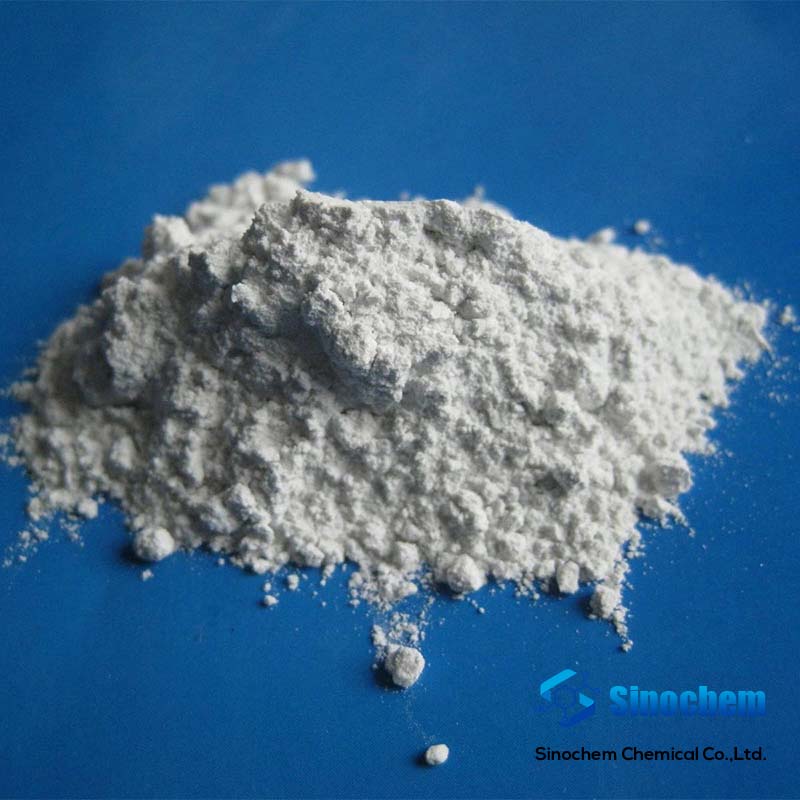
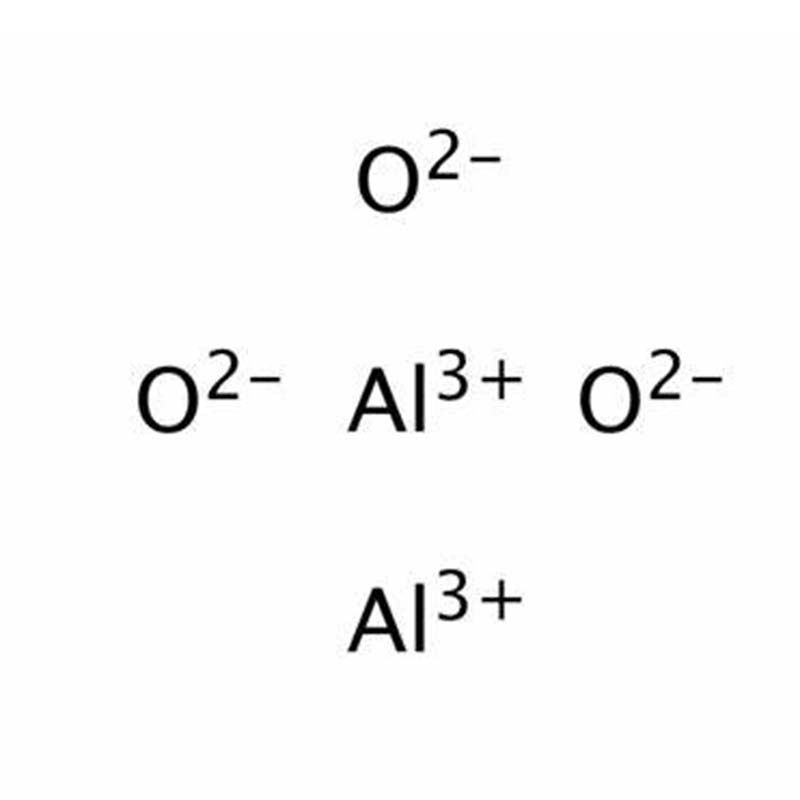
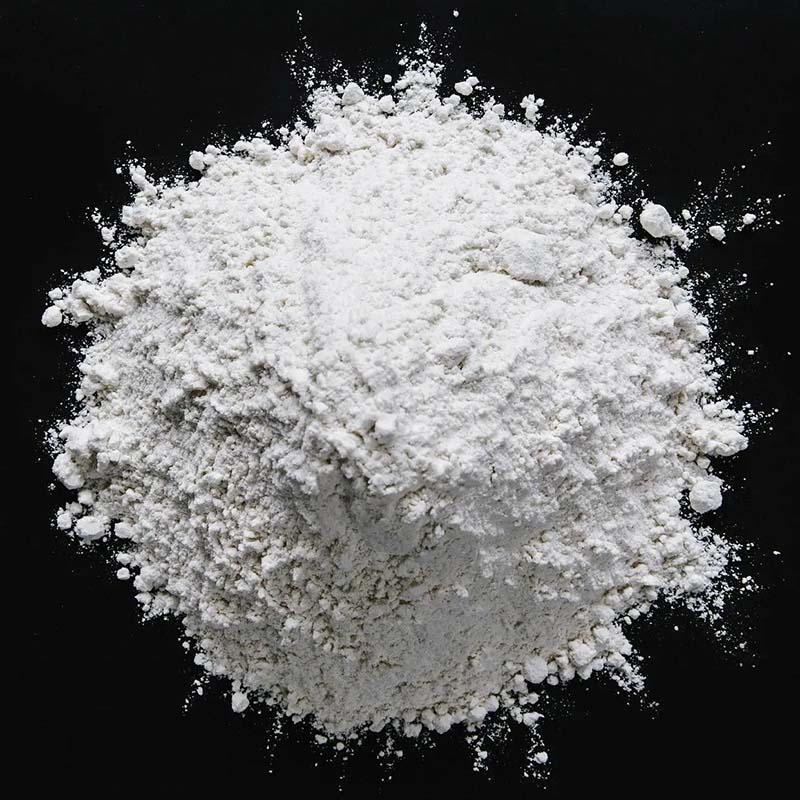
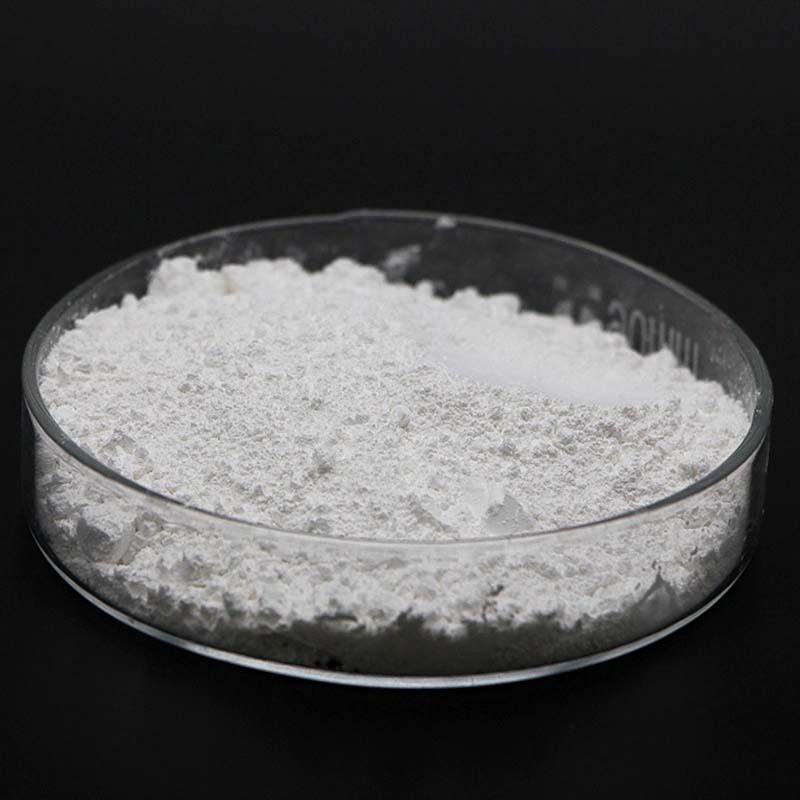
Aluminum oxide, identified by the chemical formula Al₂O₃, is widely referred to as alumina. It appears as a white powder with strong thermal stability, does not dissolve in water, and has fixed physical indexes: melting point 2015°C, boiling point 2980°C, density 4.0, and Mohs hardness 8.8. This substance can crystallize in several different structural types, with α‑alumina and γ‑alumina being the two most common crystal forms.
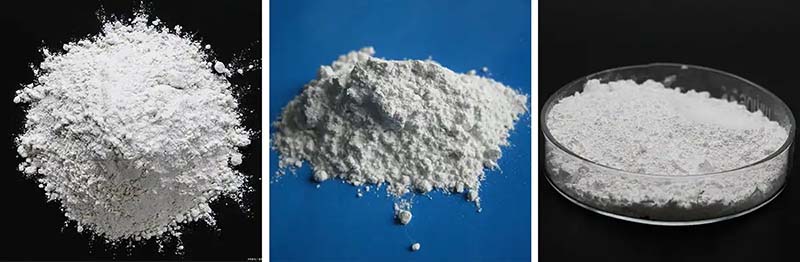
Application of Aluminum oxide
Aluminum Oxide (Alumina) is the most widely used oxide, chiefly because it is plentiful, relatively low in cost, and equal to or better than most oxides in mechanical properties. Density can be varied over a wide range, as can purity-down to about 90% alumina-to meet specific application requirements. Alumina ceramics are the hardest, strongest, and stiffest of the oxides. They are also outstanding and with electrical resistivity and dielectric strength, are resistant to a wide variety of chemicals, and are unaffected by air, water vapor, and sulfurous atmospheres. However, with a melting point of only 2039°C, they are relatively low in refractoriness and at 1371°C retain only about 10% of room-temperature strength. In addition to its wide use as electrical insulators and its chemical and aerospace applications, the high hardness and close dimensional tolerance capability of alumina make this ceramic suitable for such abrasion-resistant parts as textile guides, pump plungers, chute linings, discharge orifices, dies, and bearings.
Product Parameter
| Melting point | 2040 °C(lit.) |
| Boiling point | 2980°C |
| density | 3.97 |
| bulk density | 950-1100g/L |
| vapor pressure | 17 mm Hg ( 20 °C) |
| refractive index | 1.765 |
| Fp | 2980°C |
| storage temp. | Sealed in dry,Room Temperature |
| solubility | Miscible with ethanol. |
| form | powder |
| color | White to pink |
| Specific Gravity | 3.97 |
| Odor | Odorless |
| PH Range | 3.5 - 4.5 |
| PH | 7.0±0.5 ( in H2O) |
| Water Solubility | INSOLUBLE |
| semiconductor properties | <0001> |
| Crystal Structure | Trigonal |
| crystal system | Three sides |
| Merck | 14,356 |
| Space group | R3c |
| Lattice constant | a/nmb/nmc/nmα/oβ/oγ/oV/nm30.475890.475891.299190901200.2548 |
| Exposure limits | ACGIH: TWA 1 mg/m3 |
| OSHA: TWA 15 mg/m3; TWA 5 mg/m3 | |
| Dielectric constant | 4.5(Ambient) |
| InChIKey | PNEYBMLMFCGWSK-UHFFFAOYSA-N |
| CAS DataBase Reference | 1344-28-1(CAS DataBase Reference) |
| NIST Chemistry Reference | Aluminum oxide(1344-28-1) |
| EPA Substance Registry System | Alumina (1344-28-1) |
Safety Information
| Hazard Codes | Xi,F |
| Risk Statements | 36/37/38-67-36/38-11-36 |
| Safety Statements | 26-24/25-16-7-36 |
| RTECS | BD1200000 |
| F | 3 |
| TSCA | Yes |
| HazardClass | 8 |
| HS Code | 28181010 |
| Hazardous Substances Data | 1344-28-1(Hazardous Substances Data) |
| Toxicity | Chronic inhalation of Al2O3 dusts may cause lung damage. |