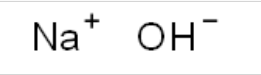
Sodium hydroxide #CAS1310-73-2
CAS Number:1310-73-2
Chemical Formula:NaOH
Synonyms:
SODIUM HYDROXIDE VOLUMETRIC SOLUTION 0,01 MOL/L
LABCONCO LABSOLUTIONS LOW-FOAMING LIQUI&
SODIUM HYDROXIDE SOLUTION 8% 50 L
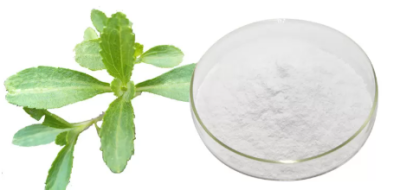
Appearance:White beads
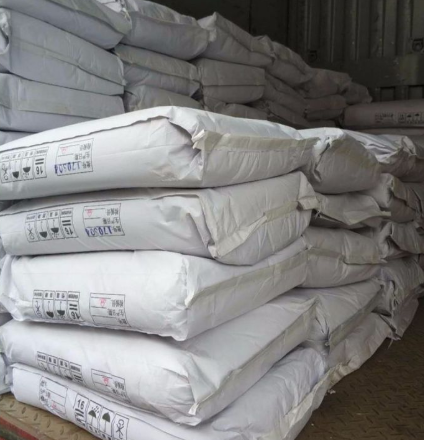
MOQ (Minimum Order Quantity): 1 FCL (Full Container Load)
Sodium hydroxide #CAS1310-73-2
Sodium hydroxide is a white, odorless, nonvolatile alkaline material marketed in solid form as pellets, flakes, clumps, or sticks. Its solubility in water is 111% by weight and a vapor pressure of 0mmHg (NIOSH, 1994).
It can react with tricholoethylene (TCE) to form flammable dichloroacetylene and with metals to form hydrogen gas (OEHHA, 1993). Its reactivity with metals should be considered in regards to storage units and containers.
Sodium hydroxide is commonly available as an aqueous solution known as caustic soda, soda lye, or simple as lye. It has various uses, including neutralization of acid; the manufacture of paper, textiles, plastics, corrosives, dyestuffs, paint, paint remover, and soap; refining of petroleum; electroplating; metal cleaning; laundering; and dish washing. A burgeoning use has been in the illegal manufacture of methamphetamine.
Sodium hydroxide, also known as lye and caustic soda, is a highly caustic substance that is used used in small amounts in cosmetics to establish and hold the pH of a product.Sodium Hydroxide is a extremely important compound in our lives because it has so many uses. It is a very common base used in the chemical industry and is used for many things, many of which occur in our daily lives. One of the most well known uses of Sodium Hydroxide is its use in unclogging drains. It comes in many different brands of drain cleaners, but one of the most common is Drano. It also comes in the form of lye soap which can be used to wash practically anything, from the dishes to your face.
At room temperature, sodium hydroxide is a white crystalline odorless solid that absorbs moisture from the air. It is a manufactured substance. Sodium Hydroxide is an inorganic compound used to control the pH levels or serve as a buffering agent in cosmetics and personal care products. It was historically used in the formulation of soaps, but is currently seen in a variety of formulas, including bath products, cleansing products, fragrances, foot powders, hair dyes and colors, makeup, nail products, personal cleanliness products, shampoos, shaving products, depilatories, skin care products, and suntan products, as well as chemical hair straighteners and hair wave sets. It is also a popular ingredient in industrial solvents as a chemical base for soaps, oven cleaners, detergents and drain cleaners because of its ability to dissolve grease, oils, fats and protein based deposits, according to Wikipedia. Less frequently, Sodium Hydroxide is seen as an ingredient in toothpastes.
Sodium Hydroxide is FDA approved, and has received the GRAS (Generally Recognized as Safe) rating as a direct food additive. However, it is primarily used in the washing and chemical peeling of produce. It is approved for use in cosmetics and personal care products in varying concentrations: 5% by weight in nail cuticle solvents, 2% by weight in hair straighteners for general use, 4.5% by weight in hair straighteners for professional use, up to a pH 12.7 in depilatories, and up to pH 11 in other uses as a pH adjuster.
Sodium hydroxide, NaOH,also referred to as caustic soda or sodium hydrate(and formerly known as lye), is a white,massive, deliquescent crystalline solid that is soluble in water,alcohol, and glycerol. It melts at 318°C (606 OF) and is the most widely used and available alkaline chemical. Most sodium hydroxide is produced as a coproduct of chlorine through the use of electrolytic cells;the cells are of the diaphragm, mercury, or membrane type. Some sodium hydroxide is marked as produced in the cells;most is evaporated and sold as 50% and 73% solutions or as anhydrous beads. Most caustic end uses require solutions of relatively low concentrations. Caustic soda is used as an analytical reagent and chemical intermediate, in scouring and cleaning baths,in rubber reclaiming and petroleum refining, in quenching baths for heat treating of steel,in cutting and soluble oils,in soaps and detergents, and in a wide variety of other applications.
Application of Sodium hydroxide
Sodium Hydroxide is an alkali that is soluble in water, having a solubility of 1 g in 1 ml of water. it is used to destroy the bitter chemicals in olives that are to become black olives. it also functions to neutralize acids in various food products.
sodium hydroxide is used to adjust a product pH to make it more acceptable to the skin. It is commonly referred to as caustic soda, and often serves as a chemical reagent when making soap. If too concentrated it may cause severe skin irritation.
Caustic soda is one of the most widely usedchemicals. It is used to neutralize acids; tomake sodium salts; to precipitate metals astheir hydroxides; in petroleum refining; in thesaponification of esters; in the treatment ofcellulose, plastics, and rubber; and in numeroussynthetic and analytical applications.
Sodium hydroxide is sold commercially as anhydrous flakes or pellets or as 50% or 73% aqueous solutions. It has countless industrial uses and is one of the top 10 chemical in terms of production and use on a global scale. Approximately 15 million tons of sodium hydroxide is used annually. Its largest use, consuming about half of its production, is as a base in producing other chemicals. It is used to control pH and neutralize acids in chemical processes. The paper industry makes extensive use of sodium hydoxide in the pulping process. Sodium hydroxide is used to separate fibers by dissolving the connecting lignin. It is used in a similar fashion in the production of rayon from cellulose. Sodium hydroxide is a key chemical in the soap industry.In the saponification process, triglycerides obtained from animal and plants are heated in abasic solution to give glycerol and soap:
Sodium hydroxide is used in the textile industry for bleaching and treating textiles to makethem dye more readily. The petroleum industry uses sodium hydroxide in drilling muds and asa bactericide. Sodium hypochlorite (NaOCl) is used extensively for cleaning and as a disinfectant.Common household bleach consists of about 5% sodium hypochlorite solution. Sodiumhypochlorite is prepared by reacting chlorine with sodium hydroxide: Cl2(g) + 2NaOH(aq) →NaOCl(aq) + NaCl(aq) + H2O(l). Sodium hydroxide is used in the food industry for cleaningand peeling fruits and vegetables. Sodium hydroxide is a minor ingredient in many commonhousehold products, but in a few it may constitute more than half of the product. Dranocrystals contain between 30% and 60% sodium hydroxide and some drain cleaners can consistof 100% sodium hydroxide.
NaOH solutions are used to neutralize acids and make sodium salts, e.g., in petroleum refining to remove sulfuric and organic acids; to treat cellulose in making viscose rayon and cellophane; in reclaiming rubber to dissolve out the fabric; in making plastics to dissolve casein. NaOH solutions hydrolyze fats and form soaps; they precipitate alkaloids (bases) and most metals (as hydroxides) from water solutions of their salts. Pharmaceutic aid (alkalizer).
NaOH solutions are used to neutralize acids and make sodium salts, e.g., in petroleum refining to remove sulfuric and organic acids; to treat cellulose in making viscose rayon and cellophane; in reclaiming rubber to dissolve out the fabric; in making plastics to dissolve casein. NaOH solutions hydrolyze fats and form soaps; they precipitate alkaloids (bases) and most metals (as hydroxides) from water solutions of their salts. Pharmaceutic aid (alkalizer).
| Sodium hydroxide Chemical Properties |
| Melting point | 681 °C(lit.) |
| Boiling point | 1390°C |
| density | 1.515 g/mL at 20 °C |
| vapor density | <1 (vs air) |
| vapor pressure | 1 mm Hg ( 745 °C) |
| refractive index | 1,473-1,475 |
| Fp | 176-178°C |
| storage temp. | room temp |
| solubility | H2O: 1 M at 20 °C, clear, colorless |
| form | beads |
| Specific Gravity | 2.13 |
| color | White |
| PH Range | 13 - 14 |
| Odor | Odorless |
| PH | 10.98(1 mM solution);11.95(10 mM solution);12.88(100 mM solution); |
| Water Solubility | SOLUBLE |
| Specific Heat Capacity | Cp(crystal): 1.49 J/(g·K); Cp(gas): 1.2 J/(g·K), at 25℃ |
| Sensitive | Air Sensitive & Hygroscopic |
| Decomposition | 176-178 ºC |
| λmax | λ: 260 nm Amax: 0.015 λ: 280 nm Amax: 0.01 |
| Merck | 14,8627 |
| Dielectric constant | 57.5(25℃) |
| Exposure limits | ACGIH:TLV-CEILING 2 mg/m3 OSHA:PEL-TWA 2 mg/m3 NIOSH:REL-Ceiling 2 mg/m3 |
| Stability: | hygroscopic |
| Cosmetics Ingredients Functions | DENATURANT BUFFERING |
| InChI | 1S/Na.H2O/h;1H2/q+1;/p-1 |
| InChIKey | HEMHJVSKTPXQMS-UHFFFAOYSA-M |
| SMILES | [OH-].[Na+] |
| CAS DataBase Reference | 1310-73-2(CAS DataBase Reference) |
| NIST Chemistry Reference | Sodium hydroxide(1310-73-2) |
| EPA Substance Registry System | Sodium hydroxide (1310-73-2) |
| Safety Information |
| Hazard Codes | C,Xi |
| Risk Statements | 36/38-35-34 |
| Safety Statements | 26-45-37/39-24/25-36/37/39 |
| OEL | Ceiling: 2 mg/m3 |
| RIDADR | UN 1823 8/PG II (SODIUM HYDROXIDE, SOLID) |
| RIDADR | UN 1824 8/PG II/III (SODIUM HYDROXIDE SOLUTION) |
| WGK Germany | 1 |
| RTECS | TT2975000 |
| F | 8 |
| TSCA | TSCA listed |
| HS Code | 2815 11 00 |
| HazardClass | 8 |
| PackingGroup | II |
| Storage Class | 8B - Non-combustible corrosive hazardous materials |
| Hazard Classifications | Eye Dam. 1 Met. Corr. 1 Skin Corr. 1A |
| Hazardous Substances Data | 1310-73-2(Hazardous Substances Data) |
| Toxicity | LD orally in rabbits: 500 mg/kg (10% soln) (Fazekas) |
| IDLH | 10 mg/m3 |
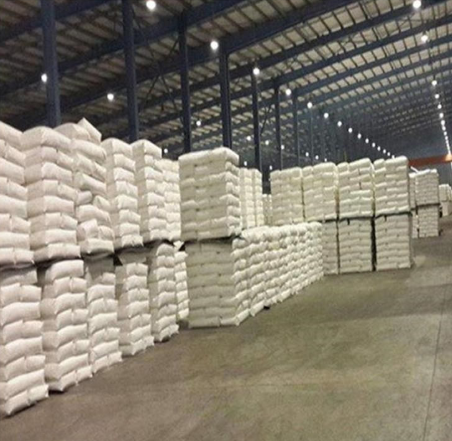
Fact Factory and Equipment Show