4-tert-Amylphenol #CAS80-46-6
4-tert-Amylphenol #CAS80-46-6
Phenols, such as 4-tert-Amylphenol, do not behave as organic alcohols, as one might guess from the presence of a hydroxyl (-OH) group in their structure. Instead, they react as weak organic acids. Phenols and cresols are much weaker as acids than common carboxylic acids (phenol has Ka = 1.3 x 10^[-10]). These materials are incompatible with strong reducing substances such as hydrides, nitrides, alkali metals, and sulfides. Flammable gas (H2) is often generated, and the heat of the reaction may ignite the gas. Heat is also generated by the acid-base reaction between phenols and bases. Such heating may initiate polymerization of the organic compound. Phenols are sulfonated very readily (for example, by concentrated sulfuric acid at room temperature). The reactions generate heat. Phenols are also nitrated very rapidly, even by dilute nitric acid. Nitrated phenols often explode when heated. Many of them form metal salts that tend toward detonation by rather mild shock. 4-tert-Amylphenol can react with oxidizing materials.
Application of 4-tert-Amylphenol
In the manufacture of oil-soluble resins; has been recommended as a germicide and fumigant; intermediate for organic mercury germicides, for pesticides, for chemicals used in rubber and petroleum industries.
Demulsifiers, Biocides, Fragrances.4-tert-Amylphenol was used as an esterogen receptor (ER) ligand.
| 4-tert-Amylphenol Chemical Properties |
| Melting point | 88-89 °C (lit.) |
| Boiling point | 255 °C (lit.) |
| density | 0,96 g/cm3 |
| vapor pressure | 5Pa at 20℃ |
| refractive index | 1.5061 (estimate) |
| Fp | 111 °C |
| storage temp. | 2-8°C |
| solubility | H2O: insoluble |
| pka | 10.24±0.26(Predicted) |
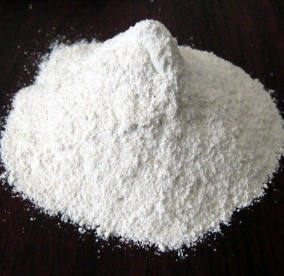
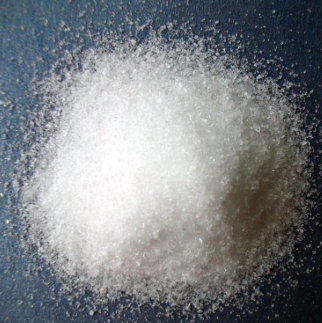
| form | Briquettes or Flakes To Coarse Powder |
| color | White to pale yellow |
| Water Solubility | 37 mg/L (20 ºC) |
| Merck | 14,7142 |
| Henry's Law Constant | 4.9×100 mol/(m3Pa) at 25℃, HSDB (2015) |
| Stability: | Stable. Incompatible with acid chlorides, acid anhydrides, strong oxidizing agents. |
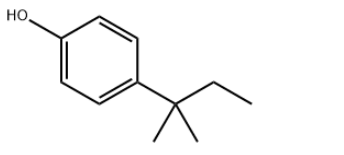
| InChI | 1S/C11H16O/c1-4-11(2,3)9-5-7-10(12)8-6-9/h5-8,12H,4H2,1-3H3 |
| InChIKey | NRZWYNLTFLDQQX-UHFFFAOYSA-N |
| SMILES | CCC(C)(C)c1ccc(O)cc1 |
| LogP | 3.6 at 22℃ |
| CAS DataBase Reference | 80-46-6(CAS DataBase Reference) |
| NIST Chemistry Reference | Phenol, 4-(1,1-dimethylpropyl)-(80-46-6) |
| EPA Substance Registry System | p-tert-Amylphenol (80-46-6) |
| Safety Information |
| Hazard Codes | C,N |
| Risk Statements | 21/22-34-51/53-43 |
| Safety Statements | 26-27-36/37/39-45-61 |
| RIDADR | UN 2430 8/PG 2 |
| WGK Germany | 2 |
| RTECS | SM6825000 |
| TSCA | TSCA listed |
| HazardClass | 8 |
| PackingGroup | III |
| HS Code | 29071990 |
| Storage Class | 8B - Non-combustible corrosive hazardous materials |
| Hazard Classifications | Acute Tox. 4 Dermal Acute Tox. 4 Oral Aquatic Chronic 1 Eye Dam. 1 Skin Corr. 1B Skin Sens. 1 |
| Hazardous Substances Data | 80-46-6(Hazardous Substances Data) |
| Toxicity | LD50 orally in rats: 3.08 g/kg (Smyth) |
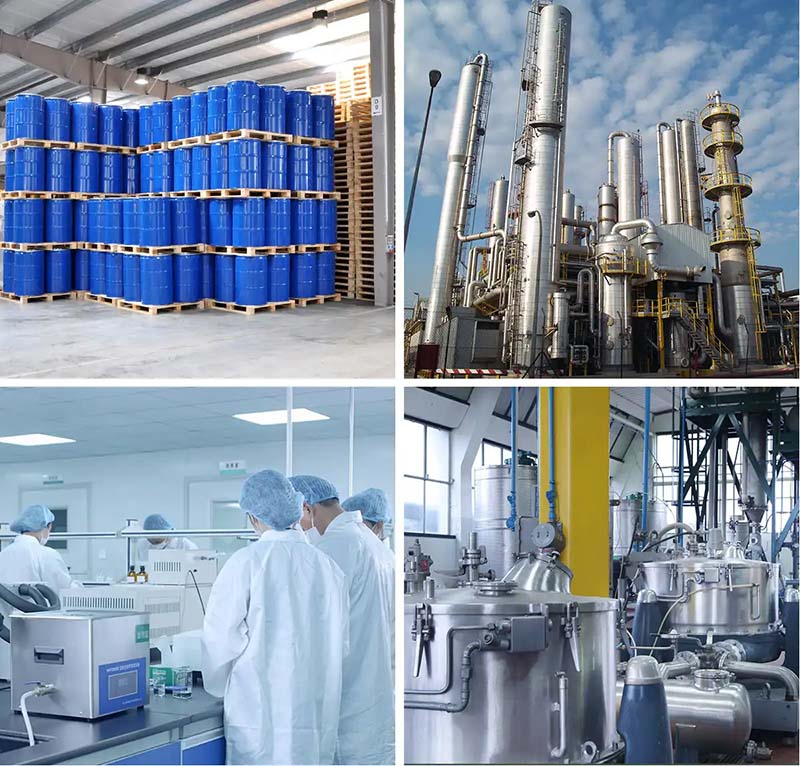
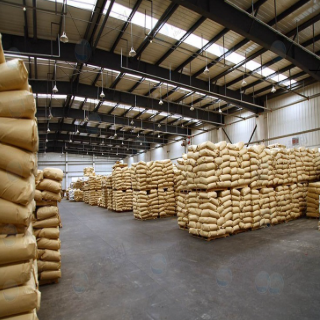
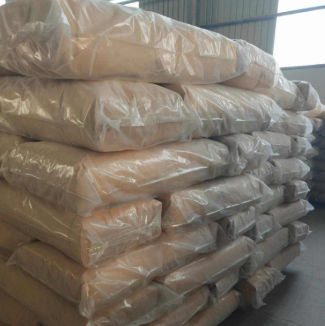
Fact Factory and Equipment Show